
Companion bird guide · Updated 2026-07-08
Cockatiels: care, suitability and enquiries
Gentle, expressive birds often suited to calm households and patient beginners.
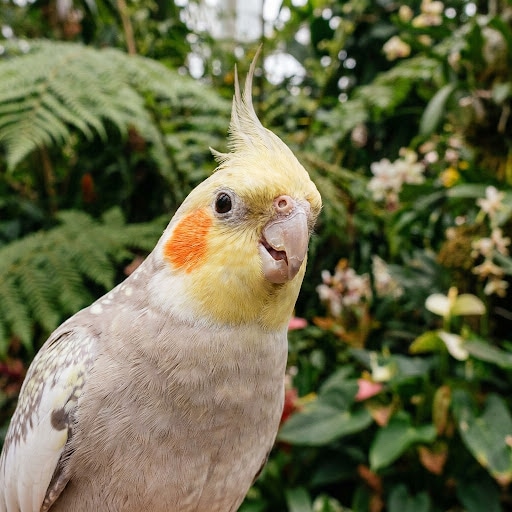
Gallery
More Cockatiels images
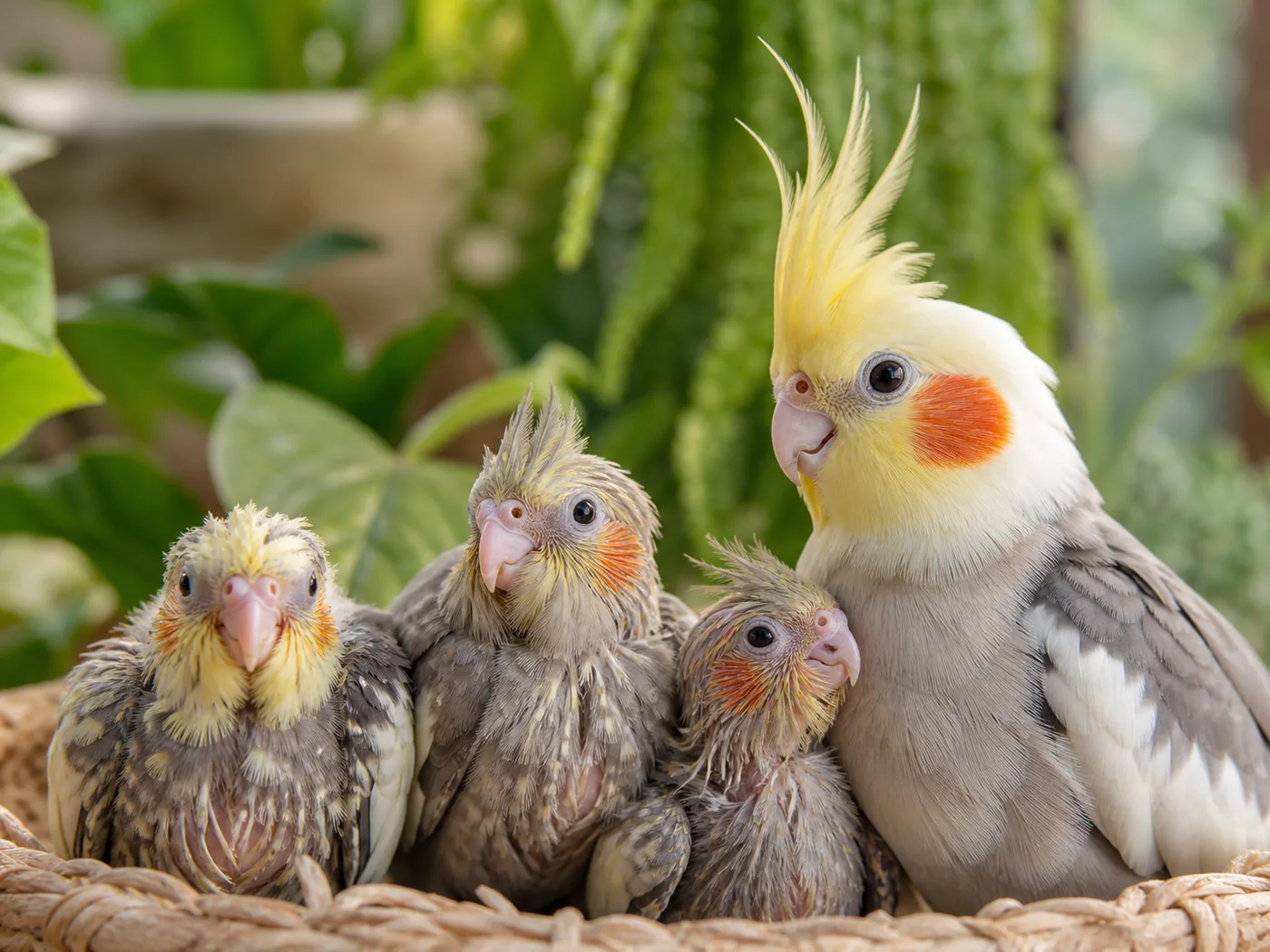
At a glance
Is a Cockatiels right for your home?
Use these points as a starting place, then research the exact species and discuss the individual bird. Temperament, health, development and prior handling vary.
- Typical noise level
- Low to medium
- Care experience
- Beginner-friendly with guidance
- Space requirement
- Comfortable cage and daily out time
- Human interaction
- Calm daily companionship
- Intelligence level
- Moderate to high; responsive to patient training
- Size
- About 30–33 cm including tail
- Weight
- Usually 80–120 g
- Lifespan
- Often 15–25 years with appropriate care
Overview
Cockatiels can be rewarding companions for prepared owners who understand their noise, housing, diet, social and veterinary needs. This guide is an educational starting point; the exact individual should always be assessed before an enquiry proceeds.
Species introduction
Nymphicus hollandicus. Origin: Australia. Natural habitat: Open woodland, scrub and areas near water.
Temperament & personality
Gentle, social and expressive Gentle, social and expressive.
Diet
Quality formulated diet, vegetables, greens and a controlled seed portion
Feeding guide
Offer a measured, species-appropriate diet on a consistent schedule, refresh clean water daily and monitor appetite and body condition. Avoid sudden diet changes and confirm portions with an experienced avian veterinarian.
Hand-feeding information
Only experienced carers should hand-feed chicks. Crop feeding, formula temperature, hygiene and weaning require species-appropriate training and qualified avian-veterinary guidance.
Care requirements
Beginner-friendly with guidance. Beginner-friendly with guidance owners who can provide comfortable cage and daily out time, calm daily companionship, appropriate nutrition and long-term veterinary care.
Cage requirements
Comfortable cage and daily out time. Housing must permit safe movement, include varied perches or climbing opportunities, and remain away from fumes, unsafe metals, direct draughts and unsupervised hazards.
Exercise & enrichment
Calm daily companionship. Provide supervised activity, rotation of safe enrichment and reward-based training without forcing contact.
Grooming
Provide safe bathing opportunities and suitable natural perches. Nail, beak or feather concerns should be assessed by an avian veterinarian rather than treated with unqualified trimming.
Noise & talking ability
Low to medium noise level. Limited speech; many whistle and mimic household sounds.
Social behaviour
Gentle, social and expressive. Introductions to people or compatible animals should be gradual, supervised and guided by body language.
Suitable owners
Beginner-friendly with guidance owners who can provide comfortable cage and daily out time, calm daily companionship, appropriate nutrition and long-term veterinary care.
Family compatibility
Compatibility depends on the individual, household routine and supervision. Children must never handle an animal unsupervised, and contact with other pets requires strict separation and risk management.
Health & common care tips
Arrange preventive care with an experienced avian veterinarian. Watch for reduced appetite, weight change, altered droppings, breathing changes, lethargy or behaviour changes; seek qualified care promptly rather than relying on online medication advice.
Why choose this bird
Cockatiels may suit a prepared home seeking a gentle, social and expressive companion and able to meet the commitment described on this page. Choose the individual only after reviewing health, behaviour, diet, weaning status and documentation.
Before enquiring
Consider household noise tolerance, cage and flight space, daily interaction time, enrichment, diet costs and access to an avian veterinarian.
What to request
Ask for recent photos or videos, age, current diet, feeding routine, weaning status, temperament observations and relevant documentation.
Before collection
Confirm a suitable carrier, safe journey plan, prepared home setup and a gradual transition that preserves the bird's current routine.
Availability and responsible ownership
This guide describes a bird category; it is not a live-stock listing. Contact Gourav to confirm whether a suitable bird is currently available.
No individual bird's tameness, talking ability or long-term behaviour can be guaranteed. Responsible ownership requires ongoing training, enrichment, suitable nutrition and veterinary care.
Request and retain all legal possession or transfer documentation applicable to the bird. Never attempt syringe or crop feeding without suitable experience or qualified avian-veterinary guidance.
Frequently asked questions
Questions about Cockatiels
How much daily attention does a Cockatiels need?
Calm daily companionship. Quality, consistency and respectful handling matter more than forced contact.
Is a Cockatiels suitable for a first-time owner?
Beginner-friendly with guidance. Suitability also depends on noise tolerance, available space, budget and access to qualified veterinary care.
What should I confirm before enquiring?
Request recent photos or video, age, current diet, weaning status, temperament observations, health history and all applicable legal transfer documentation.
Contact Gourav
Ask about Cockatiels
Request current availability, recent photos or videos, diet, weaning status, care information and applicable documentation before making a decision.